Curated Maximalism in Small Indian Homes: How to Personalize Your Space Without Creating Clutter

Curated maximalism is transforming how people decorate their homes in 2026—especially in small Indian spaces where every square foot matters. Instead of bare, minimalist rooms, more people are choosing layered, personal, and visually rich interiors that still feel organized and calming. This blog post will help you embrace curated maximalism in your small Indian home, without turning it into visual chaos or clutter.
What Is “Curated Maximalism”?
Curated maximalism is the art of filling your home with meaningful, beautiful things—without losing balance, functionality, or mental peace.
Unlike traditional minimalism, which focuses on “less is more,” curated maximalism believes that “more can be more” when you:
Choose decor intentionally
Style objects thoughtfully
Keep systems in place to avoid mess
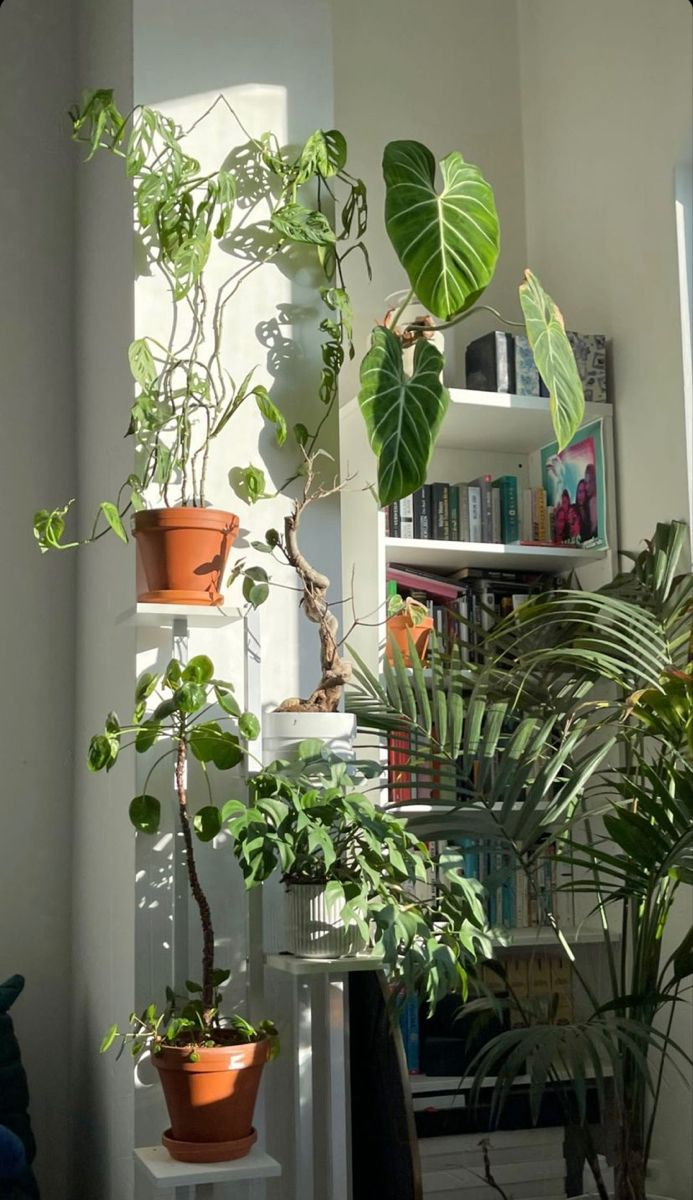
Think of it as a gallery, not a storage room. Your space can have color, pattern, books, plants, art, souvenirs, crafts—yet still look cohesive and breathable.
For Indian homes, this approach feels natural. We already live with layers: inherited furniture, puja corners, steel utensils, bright textiles, gifts from relatives, and regional crafts. Curated maximalism doesn’t ask you to remove these; it shows you how to showcase them intentionally.
Why Curated Maximalism Works So Well in Small Indian Homes
Many Indian homes—especially apartments in cities like Ghaziabad, Delhi, Mumbai, Bangalore—have:
Modest carpet areas (1BHK, 2BHK, studio flats)
Multi‑functional rooms (living room = guest room = sometimes study)
High visual “density” (storage units, wires, appliances, etc.)
Minimalism often feels unrealistic here. Curated maximalism, done well, offers several advantages:
Personal storytelling in limited space
Every corner can express your personality—books you love, crafts you make, places you’ve traveled—without needing a huge house.Better use of vertical and hidden spaces
You learn to use walls, shelves, backs of doors, and under‑bed storage so surfaces stay tidy.Emotional comfort and visual warmth
A layered home feels lived‑in and comforting, not cold and “hotel‑like.” This matters a lot when your home is also your workspace or creative studio.Compatibility with Indian decor traditions
Textiles, brass/metal lamps, carved wood, framed family photos, and puja elements can all be integrated into a cohesive visual story, instead of being randomly scattered.
Step 1: Start With a Calm, Warm Base
Maximalism doesn’t mean starting with chaos. Your “background” should be calm and warm so your layers sit beautifully on top of it.
Choose a warm neutral palette
Instead of stark white or harsh gray, think in terms of:
Soft off‑white or cream walls
Warm beige, taupe, or khaki
Muted earthy tones like terracotta, olive, or deep brown accents
Why this helps:
Warm neutrals make small rooms feel cozy but not cramped.
Colorful decor (cushions, art, books) pops against a calm base, giving you that curated look.
It’s easier to change accessories over time without repainting everything.
If you can’t repaint (common in rentals), use textiles to create this base:
Neutral curtains in cotton/linen blends
A warm‑toned rug or durrie
Neutral bedcovers or sofa throws as the “canvas” for your brighter cushions and decor
Step 2: Define Your Visual Story Before You Shop
Maximalism fails when it’s driven by impulse shopping. It works beautifully when driven by a clear visual narrative.
Ask yourself three questions
What emotions do I want my home to evoke?
Cozy, artsy, nostalgic, boho, calm, energizing?Which 3–5 themes represent me?
Examples:Books and literature
Crafts and handmade textiles
Travel and local history
Plants and nature
Vintage Bollywood/retro nostalgia
What are my non‑negotiable functional needs?
You may need: a work desk, a puja corner, extra storage, guest seating, space for drying clothes.
Write these down. This becomes your “curation filter.” Anything you bring into the home must fit at least one of your themes and not compromise your functional needs.
Create a simple moodboard
Even without design software, you can:
Use Pinterest to pin room photos that feel like your style
Save Instagram posts, Reels, or YouTube snapshots
Collect fabric swatches or printouts in a physical folder
Look for common elements: colors, textures, shapes, and object types. This makes your future shopping and DIY projects more focused.
Step 3: Layer Decor, Not Random Stuff
Curated maximalism is about layers that make sense. When you think “layer,” think categories:
Textiles (curtains, cushions, throws, rugs)
Wall decor (art, shelves, hangings, mirrors)
Objects (books, candles, plants, souvenirs, crafts)
Lighting (lamps, fairy lights, floor lights)
Textiles: your easiest maximalist tool
In small Indian homes, textiles instantly shift the mood:
Use patterned or textured cushions on a neutral sofa/diwan.
Add a bold runner on a simple table.
Hang macrame or handwoven wall art to break plain walls.
Lay a durrie or rug in the living area to define a “zone” visually.
Tip: Keep a balance—if your cushions are very colorful and patterned, let your curtains be simpler, or vice versa. This keeps the room dynamic but not noisy.
Wall decor: go vertical, go intentional
Walls are the maximalist’s best friend in small spaces. Instead of stuffing surfaces, use:
Wall shelves for books, plants, and curated objects
A gallery wall with framed art/prints/photos
A statement mirror to bounce light and visually enlarge space
Hanging planters or macrame plant holders to add greenery
Arrange wall elements in clusters rather than scattering them everywhere. A curated focal wall behind the sofa or bed can carry most of your “visual weight,” leaving other walls calmer.
Step 4: Curate Collections Instead of Hoarding
Maximalism loves collections, but clutter hates them. The difference is curation.
Create themed vignettes
A vignette is a small, styled cluster of objects that share a story. For example:
On a console table: a stack of 3 books + a plant + a candle + a framed photo.
On a shelf: 3 travel souvenirs from similar regions, with a small label or mental theme.
On a work desk: practical items (pen stand, notebook, lamp) plus one aesthetic piece (small sculpture or plant).
Rules for vignette success in small homes:
Use odd numbers (3 or 5 objects) instead of lining up 10 things.
Mix heights—short, medium, tall—so the eye flows naturally.
Keep 20–30% empty space on the surface around the vignette.
Apply the “display vs. store” rule
Decide what is meant to be displayed and what is meant to be stored.
Display: visually pleasing, meaningful, regularly appreciated objects.
Store: functional, repetitive, or less attractive items (extra gadgets, cables, bulk kitchen supplies, rarely used gifts).
Ensure each category has dedicated zones:
Display zones: open shelves, coffee table, console, wall ledges.
Storage zones: closed cabinets, baskets, drawers, under‑bed boxes.
This simple mental distinction drastically reduces visual clutter.
Step 5: Use Smart Storage to Hide the “Noise”
Even in a maximalist home, wires, plastic containers, paperwork, and cleaning supplies need to exist—but they don’t need to be seen.
Invest in visually calm storage
In Indian homes, these are game‑changers:
Cane/bamboo baskets with lids for toys, chargers, miscellaneous items
Cloth boxes or organizers in neutral colors for shelves and wardrobes
Under‑bed storage boxes for seasonal clothes or extra bedding
Over‑the‑door organizers for accessories or toiletries
Choose storage in colors that blend with your base palette, so they “disappear” visually. The goal is to let your chosen decor objects take center stage.
Create “landing zones” for daily mess
Small homes get messy quickly because everyday items have no clear resting place. Design landing zones for:
Keys, wallets, and small accessories (tray near entrance)
Mail and paperwork (vertical file holder or box)
Work items (specific shelf or box to clear desk after office hours)
When everything has a “home,” your curated decor doesn’t get buried under daily life.
Step 6: Avoid Clutter With Simple Maximalism Rules
Curated maximalism lives on a few simple rules. You can adapt these for your lifestyle:
Rule 1: One in, one out (or one in, review one)
When you bring in a new decor item, book, or object:
Remove or relocate at least one old item, or
Review an existing corner and simplify it slightly.
You don’t always have to throw, but you can store, donate, or repurpose.
Rule 2: Regular micro‑declutters
Instead of waiting for big “decluttering days,” do micro‑sessions:
10–15 minutes once a week per zone: sofa area, work desk, shelves, coffee table.
Ask: “Is everything here contributing to the story?” If not, edit.
Rule 3: Cap the number of visible items
Give yourself gentle limits to preserve visual breathing room:
X cushions on the sofa
X frames on the wall
X objects on the coffee table
You can rotate items seasonally instead of displaying everything at once.
Example: Curated Maximalism in a 1BHK Indian Apartment
Imagine a typical 1BHK in Ghaziabad:
Living room + open dining corner
Small bedroom
Compact kitchen
Here’s how curated maximalism might look:
Living room
Walls painted off‑white or light beige.
One focal wall behind the sofa with:
A framed print or painting
Two floating shelves holding 5–6 books, one plant, and a small souvenir.
Neutral sofa with 4–5 cushions in coordinated colors (mustard, rust, olive).
A cotton rug defining the seating area.
A side table vignette: small lamp + plant + a single decor object.
Bedroom
Simple neutral bedcover + two accent cushions.
One wall used for a gallery of photos and prints in similar frames.
A small open shelf for books and a plant.
Under‑bed boxes for off‑season clothes, hidden from view.
Kitchen/dining corner
Open shelves with glass jars and brass/steel accents, arranged neatly.
A bright table runner and one plant on the dining table.
Hooks for mugs or kitchen tools to keep counters less crowded.
This home is full of objects and visual interest, but everything has a purpose, a place, and a story.
Curated Maximalism on a Budget (Especially for Renters)
You don’t need designer stores to achieve this look. For Indian households:
Use what you already own: re‑style books, utensils, sarees/dupattas as wall hangings or table covers.
Thrift or buy second‑hand furniture and decor online or locally.
DIY macrame, loom‑woven pieces, and painted frames as budget‑friendly art.
Focus on one corner at a time (reading nook, work desk, living room wall) to avoid overwhelm.
Maximalism grows with you. You can start small and keep curating over months and years.
Final Thoughts
Curated maximalism in small Indian homes isn’t about copying foreign Pinterest boards; it’s about honoring your life, culture, and routines through thoughtful design. When you anchor your space in a warm base, clear themes, smart storage, and gentle rules, you can surround yourself with color, memories, books, crafts, and comfort—without drowning in clutter.

Comments
Post a Comment