2026 Interior Design Trends You Can Actually Afford: Sustainable Decor Tips for Indian Renters

2026 is a year of warm, cozy, deeply personal interiors—but you don’t need a designer budget or a permanent home to enjoy these trends. As a renter in India, you can adopt the best of 2026 interior design in ways that are affordable, sustainable, and completely reversible.
Below is a detailed, ready‑to‑publish blog post draft tailored for Blogger, with clear headings, SEO‑friendly structure, and practical tips for Indian renters.
Introduction: Interior Design Trends That Don’t Break the Bank
Interior design trends often look gorgeous on social media—but when you’re renting a flat in Delhi, Ghaziabad, Mumbai, or Bangalore, and working with a limited budget, they can feel completely out of reach.
The good news? Many of 2026’s biggest interior trends actually support:
Budget‑friendly upgrades
Sustainable choices
Renter‑friendly solutions you can take with you when you move
This post will walk you through the 2026 trends you can afford, and show you exactly how to adapt them to a typical Indian rental home.
1. Warm, Earthy Color Palettes (Without Repainting)
One of the strongest trends in 2026 is the shift from cold gray and stark white toward warm, earthy tones. Think:
Soft beige, cream, and off‑white
Warm khaki, tan, and terracotta
Muted jewel tones like deep green, rust, and berry shades
These colors make a home feel cozy and lived‑in, not sterile. But as a renter, you may not be able (or allowed) to repaint your walls. Here’s how to bring in warm palettes without touching the paint.
Renter‑friendly ways to add warm color
Textiles are your best tool. Use curtains, cushions, bedsheets, and throws in warm, earthy shades to visually “repaint” the room. A cream bedsheet with rust and olive cushions can completely transform a cool‑toned bedroom.
Rugs and durries. A warm‑toned rug in the living room creates a cozy foundation. Even if your floor is plain or mismatched, the rug becomes the new visual base.
Table linens. Runners, placemats, and covers in earthy tones help your dining space feel intentional and stylish.
You don’t need everything to match perfectly; aim for a harmonious color family. For example, if your curtains are beige, go for rust cushions and a brown rug, then build accent decor around these tones.
2. Comfort‑First Spaces: Oversized Vibes Without Oversized Costs
2026 interiors put comfort at the center: deep sofas, oversized armchairs, lots of cushions, soft throws, and lounge‑friendly spaces that feel like a retreat after work.
If you can’t buy a huge sectional or designer armchair, you can still recreate that ultra‑comfortable vibe with smaller, smarter choices.
Affordable comfort hacks for renters
Layer cushions instead of buying big furniture. A simple divan or sofa can look and feel luxurious with 5–6 cushions in different sizes and textures. Mix solid colors with subtle patterns to add depth.
Floor seating. Poufs, floor cushions, and low seating are affordable, flexible, and very Indian‑friendly. They’re perfect for small living rooms where guests often sit on the floor anyway.
Throws and blankets. A soft throw over your sofa or chair instantly makes the space feel more inviting. Choose breathable fabrics like cotton for most of the year, and keep one heavier blanket for winter.
Create a “comfort corner.” Instead of trying to upgrade the entire room, focus on one corner—a reading nook with a chair or floor cushion, a lamp, a small side table, and a plant. This becomes your personal retreat.
You don’t need to spend a lot. A mix of local market finds, online deals, and a few DIY cushion covers can be enough to turn a basic rental living room into a cozy lounge space.
3. Natural and Sustainable Materials: Buy Less, Buy Better
Another big trend in 2026 is the focus on quality materials and sustainability. Solid wood, stone, natural fibers, and handcrafted items are valued more than cheap, disposable decor.
For Indian renters on a budget, this is actually good news. Instead of buying many low‑quality items, you invest in fewer, better pieces that last and move with you.
How to use natural materials affordably
Prioritize one or two “hero pieces.”
A solid wood coffee table or side table
A cane chair
A wooden bookshelf or open storage unit
These pieces instantly elevate your home and will look good for years.
Use natural fibers in textiles. Choose cotton, linen, jute, or bamboo for curtains, rugs, and cushions where possible. They feel better, age more gracefully, and are more sustainable than many synthetic options.
Mix handmade and mass‑market.
Pair one handmade item—like a handwoven wall hanging, a macrame plant holder, or a hand‑painted tray—with simpler, affordable items from popular marketplaces. The handmade piece becomes a focal point and gives your home character.Thrift and upcycle.
Look for second‑hand furniture or decor in your area.
Sand and repaint old pieces instead of replacing them.
Turn old sarees and dupattas into cushion covers or table runners.
Sustainable decor isn’t about perfection. It’s about consciously choosing items you will love and use for a long time, instead of impulse buying things that will break or bore you in a few months.
4. Nostalgia & Retro Touches: Trendy, But Very Indian
2026 is big on nostalgia—retro forms, vintage colors, and styles inspired by earlier decades. For Indian renters, this trend is surprisingly accessible because our homes already hold nostalgic elements:
Old film posters
Vintage Bollywood aesthetics
Brass and copper utensils
Wooden trunks, old radios, or inherited furniture
You can lean into this trend without spending heavily.
Easy retro decor ideas for renters
Vintage posters and prints.
Frame old movie posters, classic book covers, or retro ads and create a gallery wall. Use affordable frames or even clipboards and washi tape for a casual look.Old objects as decor.
A refurbished wooden trunk can be a coffee table and storage.
Brass utensils or traditional lamps can be styled on open shelves or console tables.Retro textiles.
Striped cushions, bold borders on bedsheets, and sari‑inspired prints can give your room a nostalgic charm.Color accents.
Use mustard yellow, bottle green, brick red, or navy blue in small doses—cushions, lampshades, art—to bring in an understated retro palette.
You don’t have to recreate a museum. A few thoughtful nostalgic touches are enough to give your space personality, especially in a generic rental flat.
5. Layered, Lived‑In Look: Curated, Not Cluttered
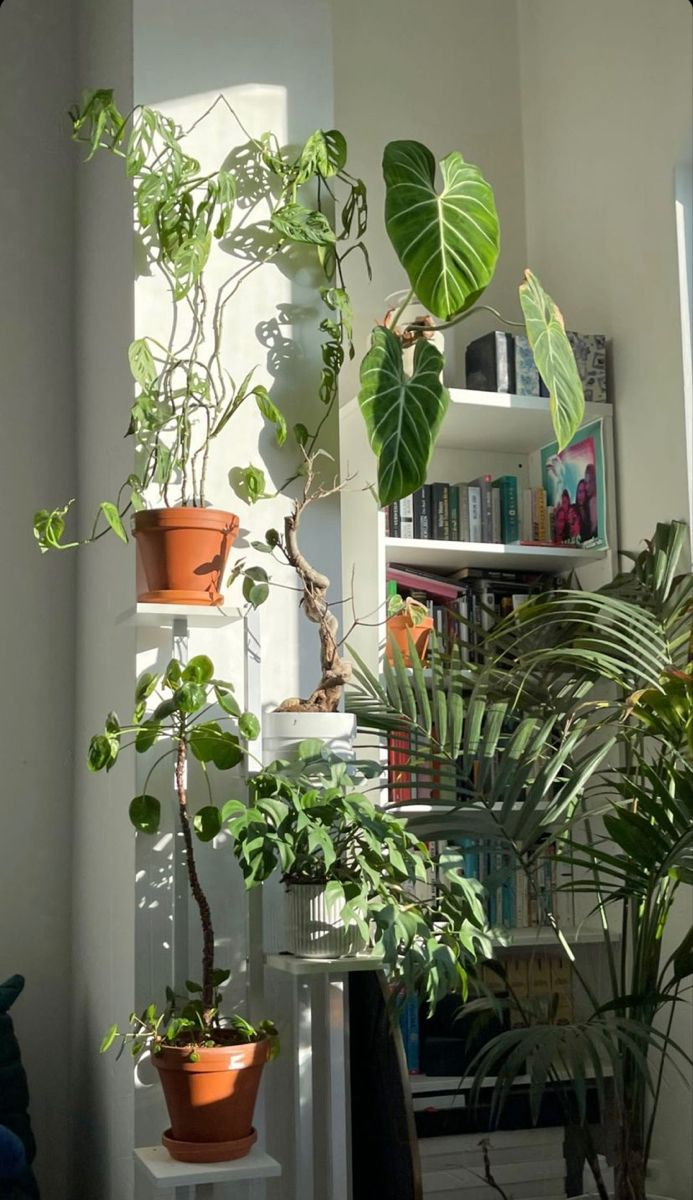
2026 interiors favor layered, lived‑in spaces over sterile showrooms. Books, plants, art, and everyday objects are displayed in a thoughtful, aesthetically pleasing way. This aligns well with Indian lifestyles—but renters need to be extra careful about clutter.
The key is to curate your layers.
Simple layering strategy
Start with a base.
Sofa + rug + curtains
Bed + bedcover + basic pillows
Add a second layer.
Cushions, throw blankets
Plants, floor lamps
Add a third layer.
Art, photos, wall shelves
Small decor objects (candles, souvenirs, crafts)
At each layer, pause and check: does the room still feel breathable? If it starts to look crowded, edit a bit before adding more.
Display vs. hide
To keep things sustainable and renter‑friendly, give every object a clear role:
Display: Your favorite books, plants, art, and decor pieces
Hide: Cables, extra utensils, paperwork, cleaning supplies, and bulk items
Use baskets, closed cabinets, boxes, and wardrobe space to hide the “visual noise” so that your displayed pieces can shine.
6. Renter‑Friendly Decor Hacks for Indian Homes
The biggest challenge for renters is reversibility: you can’t damage the walls, change the floors, or invest in things you can’t carry to your next home. Thankfully, many 2026 trends can be achieved with temporary and portable solutions.
Walls without drilling (or with minimal drilling)
Removable wallpaper or wall stickers. Install on a single accent wall behind the bed or sofa.
Command hooks and strips. Use them to hang lightweight frames, fairy lights, or fabric wall hangings without drilling.
Fabric panels. Hang a large textile or tapestry on one wall to create impact and hide imperfections.
Lighting upgrades
Plug‑in lamps. Table lamps and floor lamps can dramatically change the mood of a room without touching the electrical wiring.
Warm‑white bulbs. Replace cold, harsh white bulbs with warm‑white ones for a cozy, flattering glow.
Fairy lights used wisely. Instead of wrapping lights around everything, use them to highlight one corner, shelf, or headboard.
Smart, portable storage
Shoe racks, bookshelves, and drawer units that can travel with you from house to house.
Under‑bed storage boxes for seasonal clothes and spare linens.
Over‑the‑door hooks for bags, accessories, or towels.
Focus your money on items you can reuse in your next home. That’s renter‑friendly sustainability in action.
7. Budgeting for Decor: A Simple Framework for Indian Renters
Interior trends can tempt you to spend impulsively. As a renter, it’s helpful to treat decor as a planned part of your budget, just like eating out or streaming subscriptions.
Step 1: Decide your annual decor budget
Look at your income and fixed expenses.
Decide how much you’re comfortable allocating to home decor in a year (for example, ₹10,000–₹25,000 depending on your situation).
Step 2: Break it into categories
You could divide your budget roughly into:
Furniture and storage (40–50%)
Textiles (20–30%)
Lighting (10–20%)
Decor objects and art (10–20%)
This way, you ensure you’re spending more on items that add long‑term value (like furniture and storage) and less on small impulse buys.
Step 3: Track and review
Use a simple Google Sheet or budgeting app to log:
What you bought
How much it cost
Whether it’s reusable in your next home
Review every few months, and ask yourself:
Did this purchase actually improve my daily life or space?
If the answer is “no” too often, adjust your buying decisions.
8. Putting It All Together: A Sample Room Makeover for an Indian Renter
Let’s imagine a typical 1BHK rental living room with:
White or off‑white walls
Basic sofa set
Tube light on the ceiling
No built‑in storage
Here’s how you could apply 2026 trends affordably:
Color & base
Add beige curtains and a warm‑toned rug.
Use cushions in rust, olive, and cream.
Comfort
Add 2–3 extra cushions and a cotton throw on the sofa.
Bring in one floor cushion or pouf for flexible seating.
Natural touch
Place a small wooden coffee table (or refurbished trunk) in the center.
Add 2–3 plants in simple terracotta pots.
Nostalgia
Frame one retro Bollywood poster or vintage print and hang it above the sofa using damage‑free hooks.
Layering without clutter
Style the coffee table with a tray holding a candle, a small plant, and your current book.
Keep remotes and small items in a basket to avoid visual mess.
Lighting
Add a warm‑white bulb to the main light.
Place a table lamp in one corner to create cozy evening lighting.
Most of these items are portable and relatively affordable, and together they give you a room that feels truly 2026: warm, comfortable, personal, and intentional.
Conclusion: Design Trends That Respect Your Reality
You don’t need a huge budget or permanent home to enjoy modern interior design trends. As a renter in India, you can:
Adopt warm, cozy color schemes through textiles
Prioritize comfort with cushions and small, flexible seating
Invest in a few sustainable, natural materials that truly last
Embrace nostalgia with art, textiles, and old objects
Layer your space thoughtfully so it feels lived‑in, not cluttered
2026 interior design is about homes that feel like you—not like a catalog page. When you combine trend inspiration with practical renter‑friendly decisions and a mindful budget, you create a space that’s stylish, sustainable, and deeply comforting, no matter how long you stay there.

Comments
Post a Comment