Minimalist Interior Design: Creating Tranquil Spaces with Style and Functionality

Minimalist interior design is a powerful approach that emphasizes simplicity, functionality, and tranquility. It is not merely about having fewer items; it’s about creating spaces that foster peace and clarity in our increasingly chaotic lives. This blog post explores the principles of minimalist design, practical tips for implementation, and product recommendations to help you create serene and stylish spaces.
## Understanding Minimalist Interior Design
### The Philosophy of Minimalism
At its core, minimalist design is rooted in the idea of "less is more." This philosophy encourages individuals to focus on what truly matters in their living spaces, stripping away the unnecessary to highlight the essential. Minimalism promotes mindfulness, urging us to curate our environments thoughtfully. It often features clean lines, neutral color palettes, and a lack of clutter, allowing for a sense of calm and order.
### Key Characteristics
1. **Simplicity**: Minimalist interiors are characterized by a lack of ornamentation and a focus on functional design.
2. **Neutral Color Palette**: Colors such as whites, grays, and beiges dominate minimalist spaces, creating a soothing backdrop for carefully chosen decor.
3. **Natural Materials**: Wood, stone, and textiles are preferred to add warmth and texture, enhancing the overall aesthetic without overwhelming it.
4. **Functional Furniture**: Each piece of furniture serves a purpose, contributing to the room's functionality while maintaining a clean look.
5. **Negative Space**: Embracing empty space is crucial in minimalist design. It allows the eye to rest and creates a balanced atmosphere.
## Creating Tranquil Spaces
### Decluttering and Organizing
To achieve a minimalist look, start by decluttering your space. Remove items that do not serve a purpose or bring you joy. Invest in stylish storage solutions to keep surfaces clear and organized. For instance, consider the **Muji Acrylic Storage Box** for a sleek and unobtrusive way to store items.
### Choosing a Color Scheme
Stick to a limited color palette, ideally a trio of hues that are a few shades apart. This creates a cohesive look. For example, a combination of soft white, light gray, and muted beige can form a calming environment. Paint brands like **Farrow & Ball** offer beautiful, muted colors that align perfectly with minimalist aesthetics.
### Selecting Furniture
Invest in high-quality, timeless furniture pieces that embody minimalist design principles. Look for items like the **Eames Lounge Chair**, known for its iconic design and comfort, or the **Tansu Coffee Table** from CB2, which combines functionality with a sleek silhouette. These pieces not only serve a purpose but also act as statement items in your space.
### Incorporating Textures
While minimalism often leans towards simplicity, incorporating various textures can add depth. Use natural fibers like linen for curtains or a wool throw blanket to introduce warmth. The **HAY Soft Edge Chair** is a great example of a piece that combines minimalist design with tactile appeal.
### Lighting
Lighting plays a crucial role in minimalist design. Opt for fixtures that are both functional and aesthetically pleasing. The **Flos IC Lights** series features elegant designs that provide ample light while enhancing the minimalist vibe. Additionally, consider using dimmable lights to adjust the ambiance according to your mood.
### Personal Touches
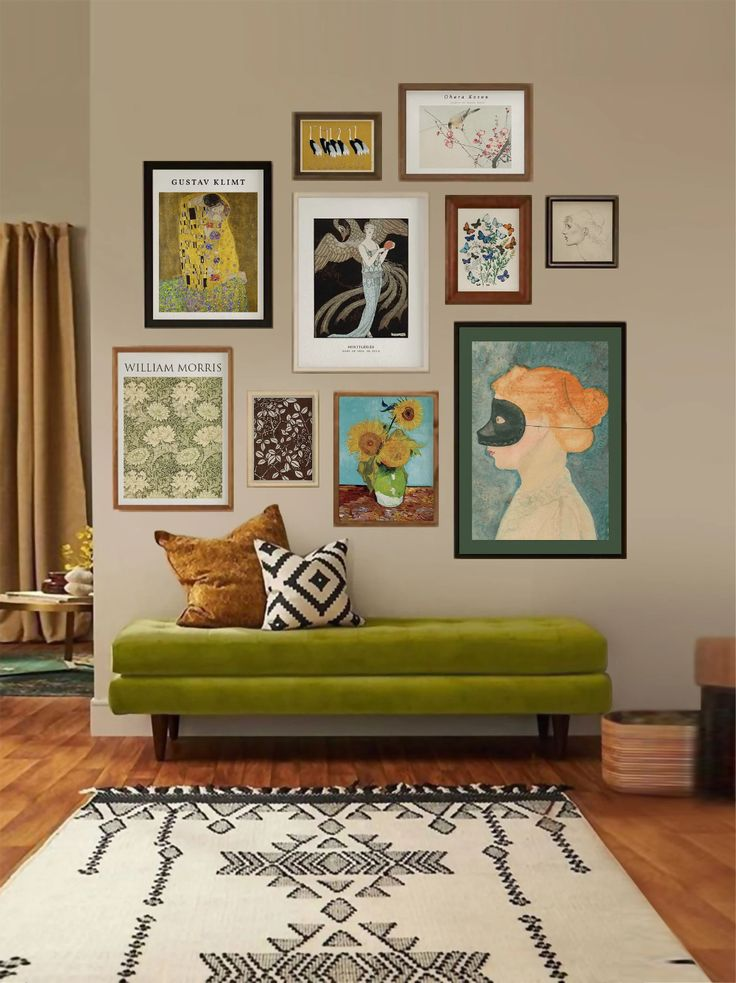
Minimalism does not mean devoid of personality. Incorporate a few carefully selected art pieces or decorative items that resonate with you. A large canvas painting or a unique sculpture can serve as a focal point in an otherwise simple room. Look for art from local artists or online platforms like **Etsy** to find pieces that reflect your style.
## Practical Tips for Implementation
1. **Embrace Negative Space**: Allow for empty areas in your design. This not only enhances the minimalist aesthetic but also creates a more peaceful environment.
2. **Limit Accessories**: Choose a few meaningful accessories rather than cluttering surfaces with many items. Each piece should have a purpose or sentimental value.
3. **Quality Over Quantity**: Invest in fewer, high-quality items rather than numerous low-quality ones. This approach not only supports sustainability but also ensures that your space remains stylish for years.
4. **Regular Maintenance**: Keep your space organized by regularly assessing what you have. Make it a habit to remove items that no longer serve you.
5. **Mindful Living**: Adopt a lifestyle that reflects minimalist principles. This includes being intentional with purchases and focusing on experiences rather than material possessions.
## Conclusion
Minimalist interior design is more than just a trend; it’s a lifestyle choice that promotes tranquility and mindfulness. By embracing simplicity and focusing on functionality, you can create a serene living space that reflects your personal style while providing a refuge from the chaos of everyday life. With careful selection of colors, furniture, and decor, you can achieve a minimalist aesthetic that is both stylish and functional, transforming your home into a peaceful sanctuary.
Shop Products From
Flipkart- https://fktr.in/9CxyNlw
Amazon- https://amzn.to/3MpfiMo
Furniture, Home Decor, Lamps, Homeware and more at best prices!
Citations:
[1] https://www.decoraid.com/blog/interior-design-style/minimalist-interior-design/
[2] https://www.thelifestyle-files.com/current-inspiration-minimal-interior-blogs/
[3] https://decormatters.com/blog/minimalist-interior-design-embracing-simplicity-in-2023
[4] https://www.architecturaldigest.com/story/minimalist-interior-design-101
[5] https://www.freshinteriors.co
[6] https://thesefourwallsblog.com
[7] https://www.decorilla.com/online-decorating/mid-century-interior-design-tips/
[8] https://praxisgroup.in/interior-design/mid-century-modern-interior-design/


Comments
Post a Comment